A proposed project management platform for a US-based landscaping and outdoor solutions business, scoped to tie customer records, crew tasks, materials and invoicing to a single project record.
Case Study
Nov, 2026
Bringing Landscaping Projects Under One Connected System
Overview
A US-based landscaping and outdoor solutions business wanted its sales, accounts, HR and operations teams working from the same project information. ESS ran discovery and solution-planning sessions to scope a custom platform that connects customers, tasks, inventory, field work and financial records, with QuickBooks staying on as the accounting system. The engagement stopped at the planning stage. The platform, its integration rules and a delivery timeline were scoped as a proposal, so the benefits below are expected outcomes, not measured results.
Coordinating Landscaping Projects Across Separate Teams and Tools
A landscaping or outdoor installation job passes through many hands: customer conversations, site planning, crew assignments, material readiness, field work and invoicing. When those steps live in separate tools or departmental processes, it gets hard to keep a shared view of where a project stands. In discovery, the client asked for one connected environment across sales, accounts, HR and operations. Ten to fifteen years of historical records and continued use of QuickBooks added two firm conditions.
The key challenges included:
Project and Task Coordination
No structured way to organise project details, tasks and progress across sales, accounts, HR and operations.
Field-to-Office Visibility
Field crews and office teams needed better coordination around work in progress.
Materials and Item Information
Product and item records had to be consistent, with inventory data tied into the wider workflow.
Financial and Historical Data Continuity
Invoices and customer data had to sync with QuickBooks, and 10–15 years of records needed mapping.
One Project Workspace Connecting Sales, Field and Finance
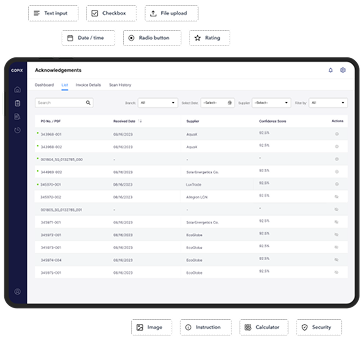
ESS proposed a modular platform with project management at the centre. Each job would have a project record acting as the organising layer, with tasks, customer details, inventory requirements, field work and financial information attached to it. A job would move from CRM record to project setup, then to tasks and materials, field work and invoice handoff.
QuickBooks integration sat at the core of the discussions. Customer records would be migrated once, with later contact updates flowing mainly from CRM to QuickBooks. Item masters would sync both ways, and invoices created in the platform would sync back to QuickBooks. The timeline discussed: at least one month for requirements, an estimated three to six months of development, and at least 1.5 months of testing and UAT before go-live.
Task assignment, ownership and progress tracking, plus mobile access for crews working on site.
An item master and material information linked directly to the jobs that use them.
Invoice workflows that hand off to QuickBooks under defined ownership and synchronisation rules.
Employee and HR-related operational information, with a connected view of relevant project data.
Expected Visibility and Consistency Across Projects and Accounting
The client is expecting the following benefits from the proposed platform:
 Project information and work status in one shared place, visible to sales, accounts, HR and operations.
- Closer links between tasks, teams, materials and field activities on each job.
- Defined synchronisation rules across operational and accounting records, covering customers, items and invoices.
- A modular structure that can grow as business requirements are confirmed.
For more information on how ESS can help you transform your business, please leave your contact details in the contact form or email marketing@essindia.com.
